History of the Violin & Cello
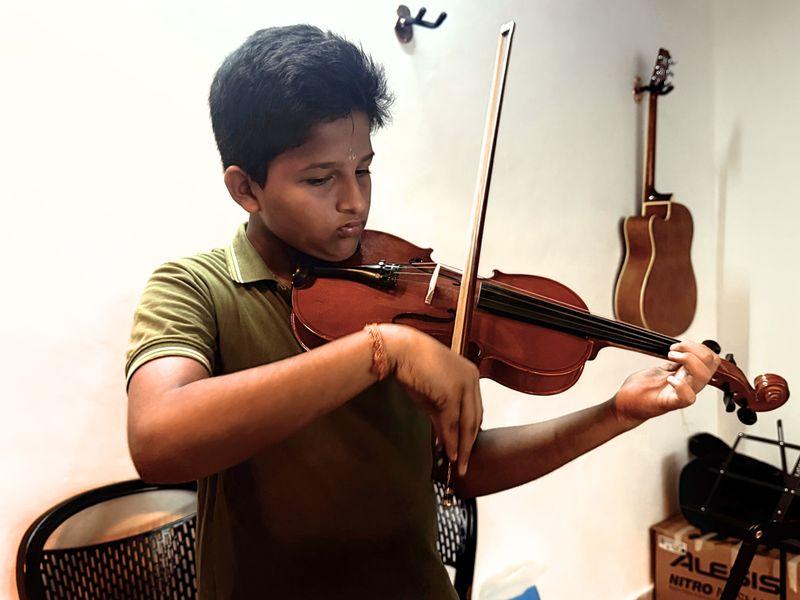
The violin family emerged in 16th-century Italy, in the workshops of Cremona luthiers like Andrea Amati, and reached its peak a century later under Antonio Stradivari and Giuseppe Guarneri, whose instruments are still considered unmatched today. The cello developed alongside the violin as its bass-register sibling, tuned an octave and a fifth lower, and by the 18th century both had become the backbone of the string sections that define orchestral and chamber music.
The violin's virtuoso tradition took off through the 18th and 19th centuries, with performers like Niccolò Paganini redefining what the instrument could technically do and inspiring generations of composers to write more demanding solo repertoire. The cello, meanwhile, was long treated mainly as an accompanying instrument until Bach's six unaccompanied Cello Suites, largely forgotten for two centuries, were rediscovered and popularized by cellist Pablo Casals in the early 1900s, cementing the cello's place as a serious solo voice in its own right.
Both instruments remain central to classical and contemporary music today, from string quartets to film scores, and both share the same starting point for a new student: learning to draw a clean, in-tune bow stroke before anything else. That is the technical foundation everything later builds on.