History of Hindustani Vocal Music
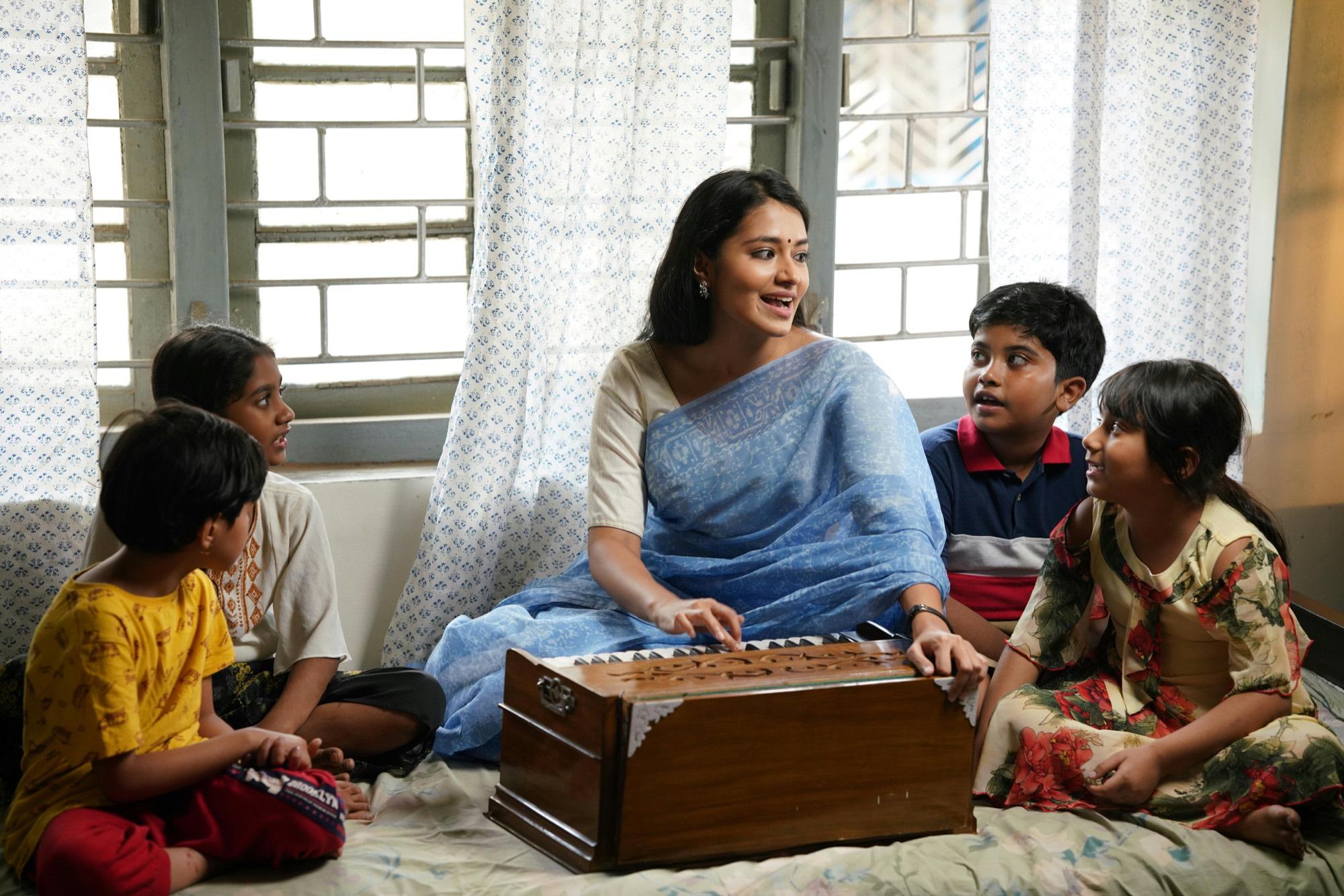
Hindustani classical singing traces its roots to ancient Vedic chanting, developing over centuries under the patronage of Mughal-era courts into the raga-based system taught today. From the 18th and 19th centuries, distinct gharanas, schools built around a particular teaching lineage such as Gwalior or Kirana, each developed their own approach to ornamentation and phrasing.
Central to the tradition is the guru-shishya parampara, the direct teacher-to-student relationship through which ragas, their rules and their emotional character have been passed down for generations. Most ragas are traditionally associated with a specific time of day or season, a system meant to align the music with the listener's natural mood. That oral, relationship-based transmission is part of why the tradition has retained such precision despite never being fully written down the way Western notation captures music.
The gharana system is still how Hindustani music is taught today, and a student's training, which starts with sur (pitch) and laya (rhythm) before moving into full ragas, follows essentially the same progression it has for centuries.