History of Carnatic Vocal Music
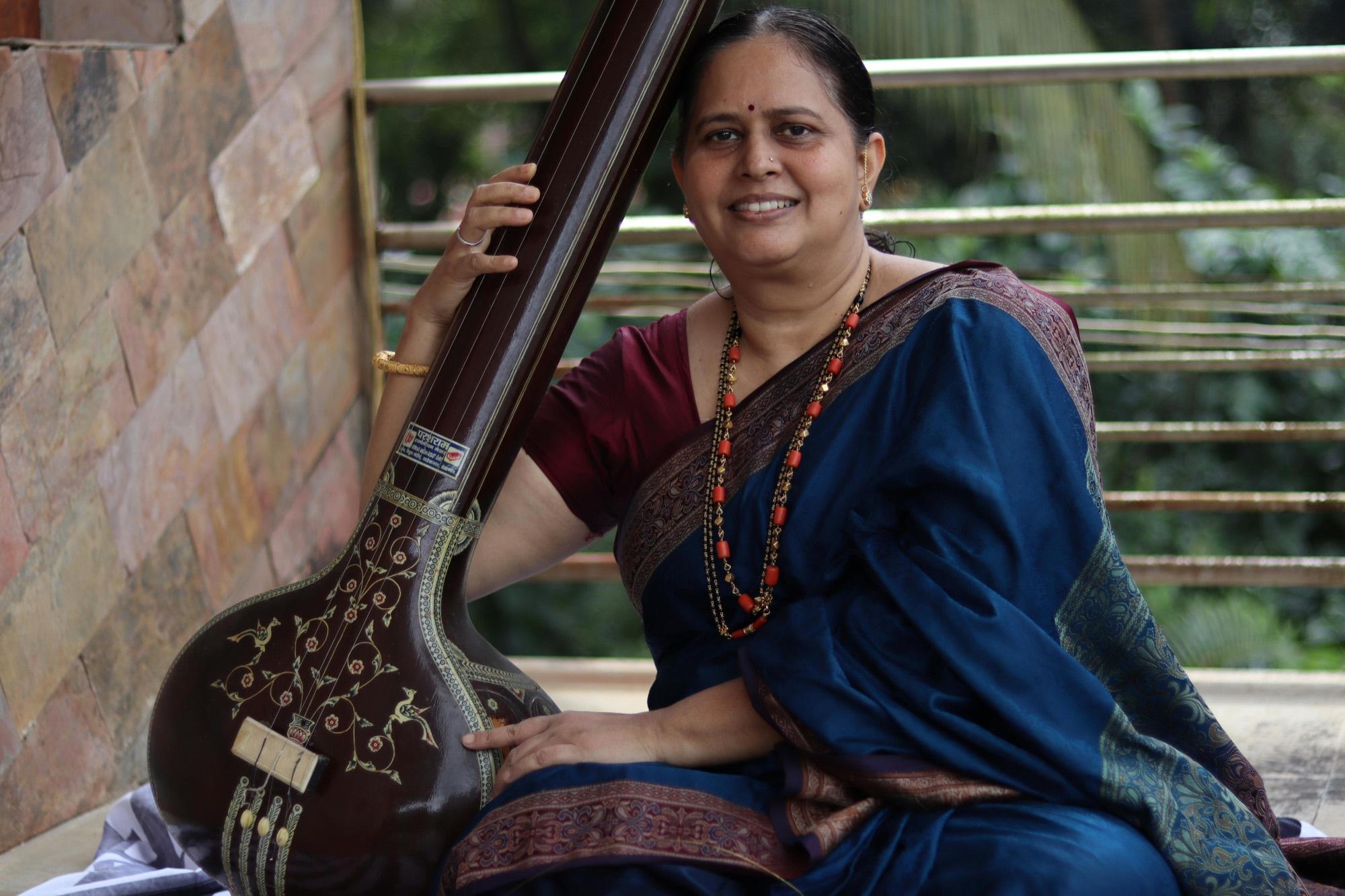
Carnatic music is South India's classical vocal tradition, and its modern form was largely shaped in the late 18th and early 19th centuries by the 'Trinity of Carnatic Music': Tyagaraja, Muthuswami Dikshitar and Syama Sastri, whose kritis (devotional compositions) are still the core repertoire students learn today.
The format of a modern Carnatic concert (kutcheri), with a vocalist supported by violin and mridangam, took its current shape through the 20th century, and it is a genuinely collaborative structure. The violinist does not just accompany but responds to and echoes the singer's phrases, a musical conversation built directly into the tradition's concert practice.
Unlike many musical traditions that were later reconstructed from fragments, Carnatic music has been taught teacher-to-student in an unbroken line since, and it remains vibrantly active today, performed at large annual festivals (the December 'music season' in Chennai being the best known) and carried forward by a global diaspora that has kept the tradition growing well beyond South India.